Children may benefit when parents adopt healthier habits to lose weight
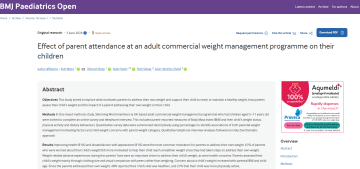
Independent research published in the British Medical Journal (BMJ) Paediatrics Open found that many parents attending weight management groups reported positive changes in their children’s health behaviours, including increased physical activity and eating healthier food.
The survey, funded by the National Institute for Health and Care Research (NIHR), explored the experiences of 396 Slimming World members with children aged 5 to 11 and found that:
- More than two thirds (67 per cent) who were concerned about their child’s weight felt more motivated to support them after addressing their own weight
- Almost half (48 per cent) of parents reported healthy improvements in what their child ate after they joined the weight loss programme
- More than a quarter (27 per cent) said their child had become more physically active
Improving health and dissatisfaction with appearance emerged as the leading motivations for weight loss among parents, each influencing more than four in five (81 per cent) respondents. Many parents wanted their children to have a healthier future because of the difficulties they had faced themselves with their weight and health.
The findings come against a backdrop of growing concerns about obesity rates among younger generations. Global studies suggest that 1 in 3 children, adolescents and young adults could be living with overweight or obesity by 2050, while evidence shows children with parents living with obesity are more likely to experience obesity themselves.
Researchers at the University of Bristol who carried out the study say the findings highlight the importance of considering the wider family impact of adult weight management interventions.
The study’s authors add:
“This research strengthens the case for putting families at the heart of adult weight management policy and practice.
“Supporting parents doesn’t necessarily just improve outcomes for individuals – it may positively influence children’s everyday health behaviours such as their diets and activity levels.
“Weight management programmes that recognise and harness this family-wide benefit might potentially play an important role in creating healthier home environments and improving health outcomes for future generations.”
The researchers conclude that future work is needed to better understand how adult weight management programmes can further contribute to healthier family environments and support positive behaviour change across generations.