New care pathway aims to cut cancelled joint replacement operations and improve recovery
A new patient-centred care pathway designed by patients, researchers and healthcare professionals could help reduce avoidable cancellations of knee and hip replacement surgery while providing better support before and after operations. The programme, called My Knee Plan/My Hip Plan, has been developed by researchers at the University of Bristol, working with NHS staff and patients across the UK.
Around 250,000 hip and knee replacements were carried out in the UK in 2024, making them among the most common elective operations in the NHS. While most patients benefit from surgery, many continue to experience problems afterwards. The researchers report that around 1 in 5 people who undergo knee replacement surgery are dissatisfied with the outcome, while chronic pain affects approximately 22% of knee replacement patients and 14% of hip replacement patients.
Patients have described feeling unsupported while waiting for surgery and during recovery. Many say they were repeatedly required to explain their situation to different healthcare professionals and felt there was no single point of contact to turn to for advice.
The team developed the new care pathway through a co-production process involving five researchers, five healthcare professionals and five patients. The work was informed by studies examining reasons for surgical cancellations, interviews with patients and staff, and a consensus exercise involving 111 patients and 79 healthcare professionals.
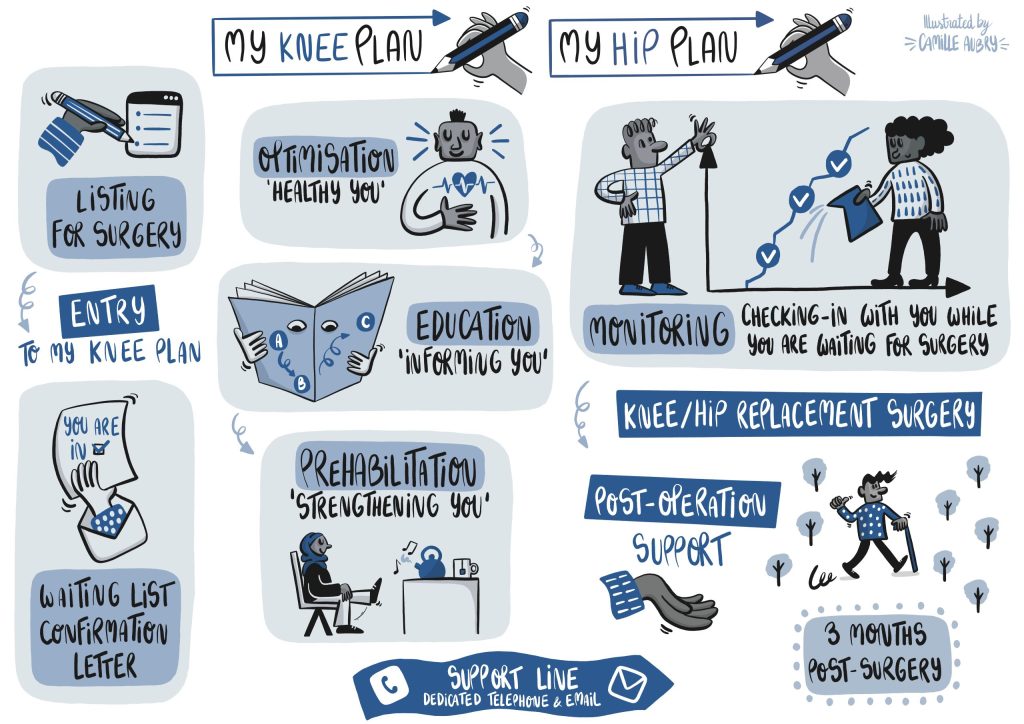
The resulting programme begins as soon as a patient is placed on the waiting list for surgery and continues until three months after their operation. Patients receive a personalised preparation plan covering health optimisation, information and tailored exercises to help them prepare for surgery. The pathway also includes regular monitoring while patients wait, reminders about important pre-operative steps such as stopping certain medications, and a dedicated telephone and email helpline.
A key aim is to reduce last-minute cancellations. Previous work by the team found that around 14% of knee replacement procedures are cancelled within 24 hours of the planned operation. Such cancellations can be distressing for patients and costly for the NHS.
The researchers believe earlier identification of health issues and ongoing monitoring could help prevent many avoidable cancellations. Currently, patients are often not seen by their surgical team again until a pre-operative assessment a few weeks before surgery, leaving limited time to address conditions that could affect fitness for surgery.
After surgery, the My Knee Plan and My Hip Plan pathways continue to provide support through follow-up phone calls and access to the helpline. Patients having knee replacement can also receive advice on returning to activities such as kneeling, while those experiencing ongoing pain can be assessed through the evidence-based STAR care pathway.
Dr Wendy Bertram, Research Fellow in musculoskeletal health services research and lead author, said:
“The intervention represents a new approach to joint replacement care by providing continuity of support from the point of listing for surgery through to recovery, supporting patients to wait well.
“Rather than focusing solely on individual pre-operative education or exercise programmes, the pathway combines health optimisation, monitoring, personalised information and ongoing access to specialist support.”
The researchers stress that further work is needed to test the clinical and cost-effectiveness of the programme in practice. However, they hope the approach could improve patient experience, reduce avoidable cancellations and ultimately lead to better outcomes for the growing number of people undergoing joint replacement surgery each year.
Professor Michael Whitehouse, Professor of Trauma and Orthopaedics and one of the hip surgeons involved in the research, said:
“It was so useful to go through this co-production process and to hear about the lived experience of our standard care pathways. Especially as these are often frustrating, inefficient and happen as a series of isolated events.
“One of the most difficult conversations we have as clinicians is to tell a patient their operation needs to be cancelled at short notice for an issue known about elsewhere in the system that could have been addressed.
“This new process hugely reduces the risk of that. We developed a useful intervention that makes waiting time productive as it lets us identify and address issues in advance.
“As well as being an integral part of the patient journey, including the immediate postoperative period, the point of contact is also reassuring for patients and staff alike.”