Childhood asthma linked to poorer lung health into adulthood, study finds
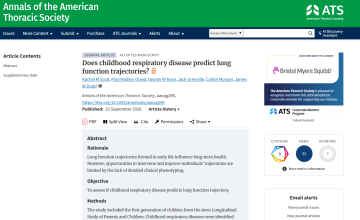
Children with asthma are more likely to follow a lower lung function trajectory into early adulthood, according to new research from the University of Bristol and the NIHR Biomedical Research Centre: Bristol. The findings suggest that improving asthma care in childhood could help protect long-term respiratory health and reduce the risk of serious lung disease later in life.
The study analysed data from more than 10,000 participants in the Avon Longitudinal Study of Parents and Children (ALSPAC), often known as the Children of the 90s study. Researchers linked childhood health records with lung function measurements collected between the ages of 8 and 24 to investigate which early-life respiratory conditions might influence how lung health develops over time.
Lung function follows different trajectories throughout life, with some people maintaining healthy lung capacity while others experience persistently lower levels. Previous research has shown that people with lower lung function trajectories face a greater risk of future health problems, including chronic obstructive pulmonary disease (COPD).
The researchers found that asthma was the only childhood respiratory condition associated with poorer lung function trajectories. Children with asthma were significantly more likely to belong to groups with below average, or persistently low lung function. In contrast, other factors examined in the study, including lower respiratory tract infections, premature birth and neonatal respiratory distress syndrome, showed no clear association.
The study also identified opportunities for improving care. A third of children with asthma who belonged to lower lung function trajectory groups had never been prescribed an inhaled corticosteroid, a preventative treatment that is recommended as standard care for asthma. Researchers say this raises concerns that some children may be missing treatments that could help control symptoms and protect lung development.
Perhaps most strikingly, almost half of the participants in the lowest lung function group had no recorded respiratory diagnosis at all, despite evidence of impaired lung health. Researchers say this suggests there may be many young people with undetected respiratory problems who could benefit from earlier assessment and support.
James Dodd, Professor of Respiratory Medicine at the University of Bristol and senior author of the study, said:
“Our findings suggest that childhood asthma plays an important role in shaping lung health across the life course. The encouraging message is that asthma is treatable.
“By identifying children earlier and ensuring they receive effective preventative treatment, we may be able to improve lung function trajectories and help reduce the burden of respiratory disease in later life.”
The researchers say further work is now needed to better understand why so many people with persistently low lung function remain undiagnosed, and how these individuals can be identified and supported before long-term damage occurs.