Foods combining fat and carbohydrates may encourage us to eat more
Foods such as croissants, that contain similar amounts of fat and carbohydrates, may be more appealing and less filling than foods that are made up mainly of fat or carbohydrates, according to new research supported by the NIHR Biomedical Research Centre: Bristol.
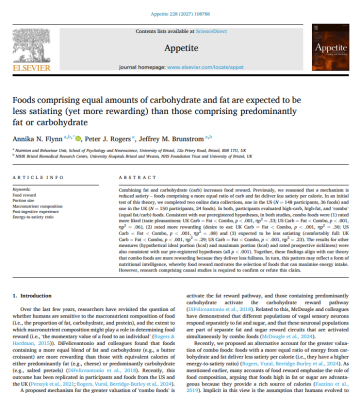
The study, led by researchers at the University of Bristol, found that these so-called “combo foods” were consistently rated as more enjoyable, more rewarding and expected to be less filling than foods made up predominantly of either fat or carbohydrates alone.
Published in Appetite, the research involved almost 300 participants from the UK and the United States. Participants were shown images of different foods and asked:
How much they liked them
How much they wanted to eat them
How large a portion they would need to feel comfortably full
Across both countries, participants chose larger portions of combo foods before they expected to feel full. They also selected larger ideal and maximum portion sizes and reported that eating large portions of these foods would leave them feeling less sick or overfull.
The findings support a new theory proposed by the researchers called the “energy-to-satiety ratio”. This suggests that people may find foods particularly rewarding when they provide a lot of energy while producing relatively little fullness. In other words, foods that deliver more calories without making us feel full as quickly may be especially attractive.
The researchers believe this could help explain why many modern foods are so difficult to resist. While combinations of fat and carbohydrates have existed throughout human history, highly processed foods often contain these nutrients in more balanced proportions, potentially making them more rewarding and easier to overeat.
Lead author Dr Annika Flynn, a researcher in the Nutrition and Behaviour Unit at the University of Bristol, said:
“Our findings suggest that foods containing a more equal blend of fat and carbohydrate may be especially appealing because they are expected to deliver less fullness for the calories they contain.
“This could help explain why people are often drawn to foods such as pastries and other snacks, and why they may find it easier to eat larger portions of them.”
The researchers caution that the study does not prove that lower expected fullness causes foods to be more rewarding. Further research is needed to understand exactly how different nutrient combinations affect appetite, food preferences and eating behaviour.
However, the findings offer new insight into the relationship between food composition and appetite. They could help researchers better understand factors contributing to overeating and obesity in today’s food environment.